• Charlotte, North Carolina
  • Call Us Today : support@plumbingprofessional.net

Leonard Simmmons | Plumbing Professionals Near Me - Part 2

Top 5 Questions to Ask Your Plumber (to See if They’re Any Good)

For most people, hiring a plumber isn’t something that happens quite often. As such, when the time eventually comes around, and you need one on the double, it’s important to find someone with the proper knowledge and credentials.

How can you do that? In short, you can explore our other post on how to choose the best plumbing company, or, simply do a little research as you attempt to book an appointment.

Know what questions to ask before you commit to hiring someone, and especially before you commit to payment. After all, you want to be sure that the person you end up paying for is the best of the best, and that you won’t be swindled, misled, or charged prices you’re not comfortable with.

To help make it easy for you, consult our list below of the top 5 questions to ask your plumber to make sure you’re in good hands, and can total peace of mind, long after your service.

1) Are you licensed?

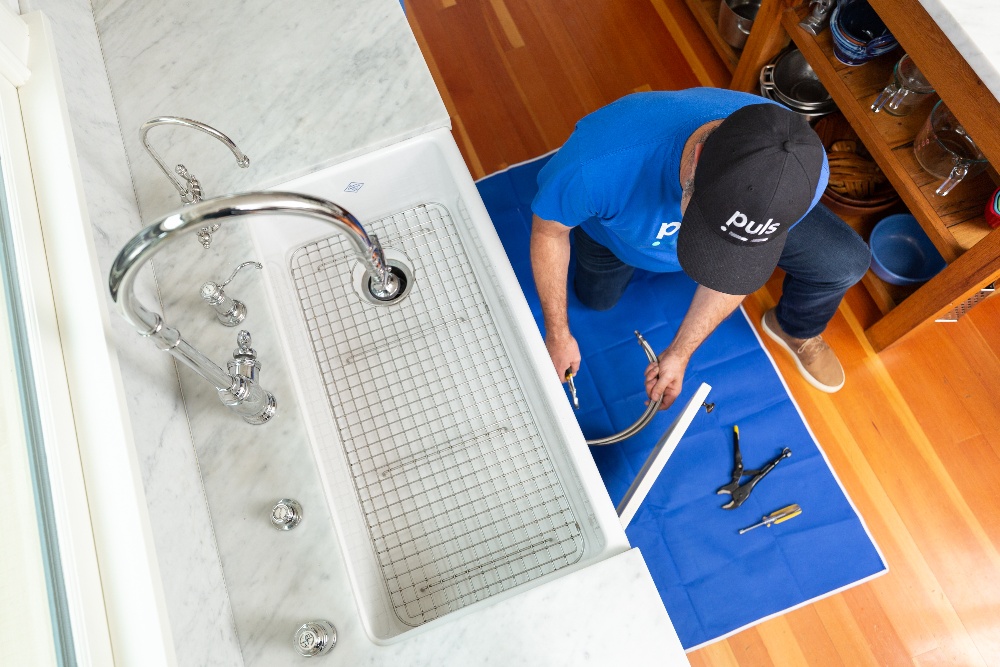
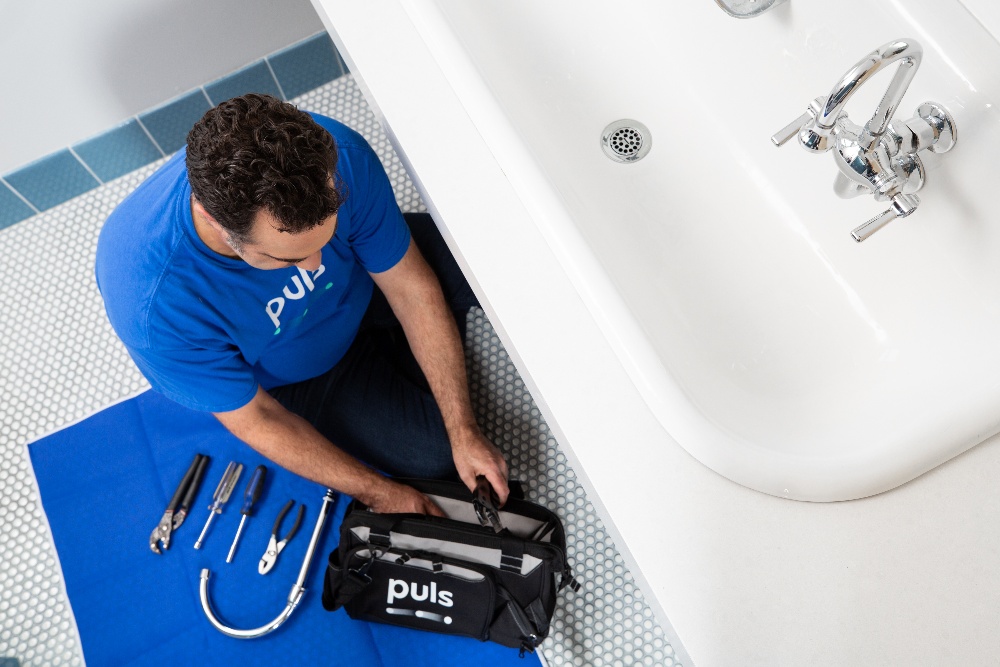
Puls licensed plumbersThis might seem like a no-brainer, but believe it or not, there are an alarming number of plumbers out there that are operating without the proper licensing. Therefore, this question should be at the very top of your list – you’ll want to make sure that the person you’re inviting into your home is completely legitimate, and has all their licensing and paperwork in order.


2) Do you offer emergency service?

plumber performing emergency serviceComing up as number two on our list, though just as important – find out if they have last-minute, emergency service options from the get go, as you attempt to book. Why is that?

As you’ve probably come to realize, many plumbing issues tend to arise when we least expect them – in the wee hours of the night, on the weekend, before you head to work, or at some other time that’s incredibly inconvenient.

Unfortunately, certain plumbing issues, even those that may seem small, can actually cause a great deal of damage if left unattended to, even if just for a few extra hours or days.

That’s why you should always go for a company that offers emergency, last-minute service, with appointments when you need them, as soon as that day. Ideally, your plumber should offer emergency or weekend options at no additional cost, with 1-hour time slots, so you won’t have to wait around all day.


3) Do you charge an hourly rate or a flat fee?

plumbing service costAnother great question to ask regarding payment is how the total price will be calculated. Some companies will charge you a flat fee for the total price of service, others will charge an hourly rate, and sometimes they’ll charge a combination of the two.

Typically, the cost structure that will work out in your favor the most is a flat rate. Hourly rates can be problematic, as your plumber could take advantage of this payment structure and take much longer than needed to complete your service.

You can check out our full article on how much you should pay for plumber services for more information regarding pricing.


4) Do you provide a quote before I commit to payment?

Puls technician providing price quoteThis is another essential question to ask your plumber right away. You’ll want to be absolutely positive that you’re paying a fair price for the service entailed, and to know exactly what the issue at hand is, before you commit to paying for a repair.

Your plumber will likely need to come take a look at the issue in person, and will give you a price quote after they’ve fully diagnosed it.

5) What kind of warranty do you offer?

warranty on plumbingLast, but certainly not least, always be sure to ask about warranties, ideally before you pay anything. Why is this important?

You need to be absolutely certain that the plumber you hire stands by the quality of their work – so much so, that they’d be willing to come back to you again for free if any issues arise after your initial service, because they know they won’t need to.

Read More

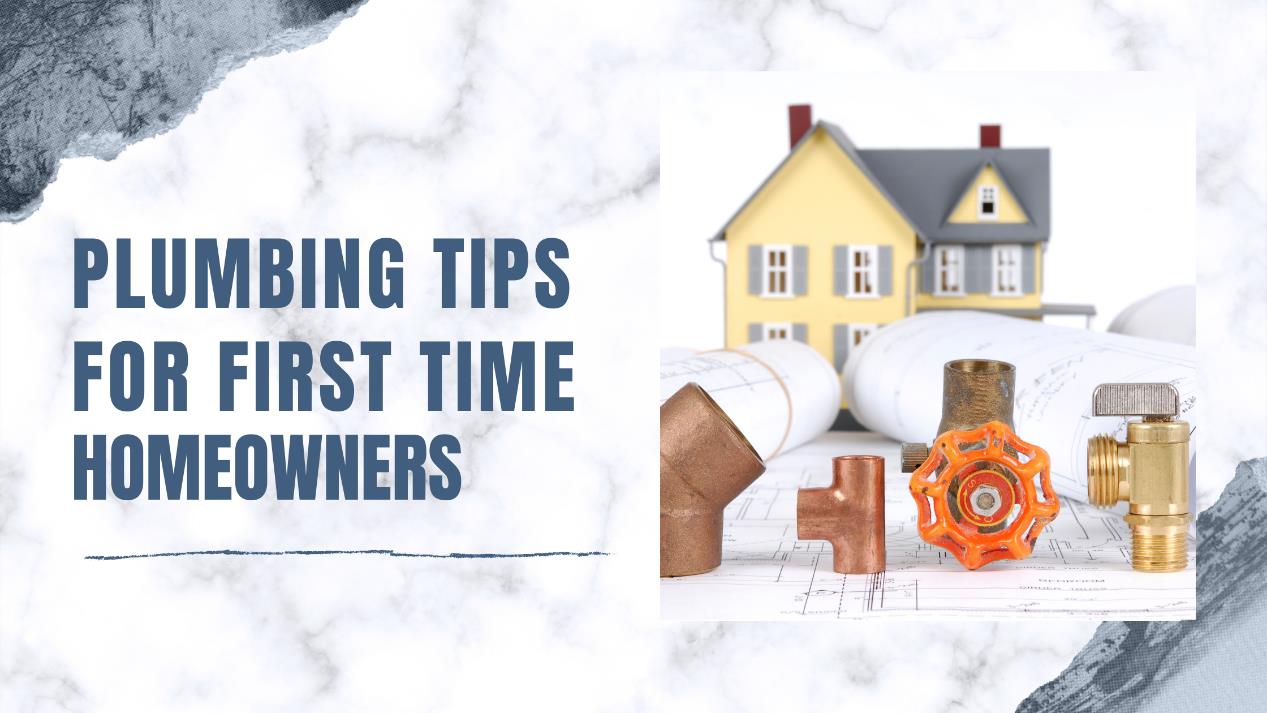
Plumbing Tips for First Time Homeowners

Plumbing Tips for First Time Homeowners

Moving into your new home could be one of the most exciting and rewarding experiences of your life. But at the same time, it could be a little challenging, especially if you’re a first-time homeowner.

Owning a home means that you have to take care of everything, from cleaning to taking good care of your plumbing system. Knowing how to take care of minor to major problems that may come up and be able to locate them is very important. You need to be able to spot the problems— from clog drains to sewer backups, you need to learn how to fix it yourself or have a professional plumber to deal with it.

This might be a little overwhelming, but we are here to help. Here are some plumbing ideas to solve your plumbing issues, or maybe one of these might save you from having to pay more than you need to.

Use a bucket of water to flush the toilet

There is a fast and easy way to unclog a typical flush toilet that doesn’t require a plunger. Just take a bucket filled with water, and pour the water towards the bottom of the bowl where you see the toilet colon passageway disappear. This will clear the toilet while removing the waste and de-clogging the pot. The water level in the bowl will start to rise and just before it seems like it is going to overflow the rim of the bowl, the toilet should flush on its own.

Use a plunger to unclog drains

Do not let soap, hair, and debris clog your drains. Make sure you use a strainer to filter out these elements and prevent them from going into your drains. In this case, you don’t use a strainer and your drains are filled with water, use a plunger and get rid of all the water and particles. You can even use a plunger to unclog a sink. Moreover, you can also open up the sink from the bottom, to let all the water and particles out of the drain. If you do open up the sink, do not forget to keep a bucket under the sink. This will ensure that water does not drop out on the floor but into the bucket.

Be cautious when flushing

Staying cautious when flushing, and being informed around what you should flush can save you from most unwelcome plumbing problems. Keep your toilet clean and ask everyone in the house not to flush anything other than human waste and toilet paper. So make sure you don’t flush things like feminine products, paper towels, and baby wipes. If you have toddlers, be especially mindful since we see a lot of instances where a toy, pacifier, toothbrush, or other toddler items are found to be the culprit of a problem toilet.

Your shower drain needs a clean-up

You might view this as the creature from the black lagoon, but ignoring it can clog drains. Make sure you clear the strainer in your bathroom after every bath and do not let debris clog your drains. Trust me your pipes will thank you later. Maintaining a clean-up routine for your drains will go a long way in preventing problems for you in the future.

Installing a catch-all is also a good idea as it will prevent your hair from draining down. If your sewer system gets clogged frequently, a camera inspection can help you find the actual reason behind the clogs.

Hydro jetting is another way to solve this problem. This is a highly efficient process that cleans sewer lines using the high-velocity water pressure technique.

Poorly installed water pipes

Once your pipes start leaking, you are likely to suffer serious moisture damage which can destroy the overall structure of your home. Never ignore warning signs, For example, tiny leaks, corroded pipes, rusty joints, and especially elbow joints that rust faster.

Check out your home’s supply pieces whether they are galvanized or not. It is advised to change the galvanized pieces as soon as possible as they may create a problem in the future.

If drains restrict the flow of water, it means the pipes are not big enough to sustain the flow of water. Therefore, proper installation is mandatory, which will further protect the pipes from freezing or even bursting during seasonal change.

Plumbing Basics

Know Where the Shutoff Valves Are

When you first move into your house, be sure that you know where your main shut-off valve is located. The main water shut-off valve is intended to stop all water flow into your house when a plumbing emergency occurs. Shutting this off can save you from extensive damage to your plumbing system and your home.

Make Your Faucets Last Longer

The most common plumbing mistake a lot of homeowners make is over-tightening the faucets when turning them off. This often makes the tap seal wear out faster than it’s supposed to be, making it to be more prone to leaks and other issues. Always remember that a “hand-tight is just right.”

Useful Tools to Keep Around

  • A plunger
  •  Wrenches
  • Tongue-and-groove pliers
  • Allen wrenches
  • Screwdrivers
  • Clip light
  • Auger and hand snake
  • Flashlight
  • Heavy-duty gloves
  • Tape measure

Keep Your Drains Clean

As a first-time homeowner, it’s necessary to understand that ignoring clogged drains can lead to major plumbing issues. Your drains can be easily clogged—never put hair, food, grease, and other debris down on it, as they will surely clog your pipes.

Avoid flushing:

  • Paper towels
  •  Flushable wipes (even those that are labeled as flushable!)
  • Small toys
  • Cotton balls
  •  Hair
  • Grease
  • Cat litter
  • Gum
  • Cigarettes
  •  Medication
  • Feminine hygiene products
  • Food scraps
  •  Hair
  •  Floss
  • Bleach

Have emergency numbers on hand

One of the most important things to remember as a first-time homeowner is to have a professional and reliable plumbing company to contact in case of plumbing emergencies. Yes, there are some things that you can fix by yourself but some issues are just way too big to DIY.

Having a reliable plumbing company will give you peace of mind if any issues come up and will help you keep your home plumbing in top condition.

Understanding Your Home Plumbing Systems

Water Supply System

The water supply system is the main plumbing line that brings fresh water into your home. Clean water flows through the supply lines and enters your house at a pressure of 50-60 psi. Since the system is highly dependent on pressure, this is enough for water to move around and travels into your faucets, toilets, and appliances such as your dishwasher, washing machine, and water heater.

The pipes and other fittings on your supply system are commonly made out of plastic, copper, or galvanized iron. And these pipes are usually about 1 to 1 and 1/2 inches in width and are connected to the main water line.

Drain-Waste-Vent System

The drain waste vent system is one of the most important parts of the plumbing system in your house. Its job is to carry the wastewater and sewage from the sinks, showers, bathtubs, toilets, and appliances that use water such as washing machines and dishwashers, and take those wastes to your septic tank or public sewer.

The Bathroom Plumbing System

Your bathroom system has a separate hot and cold piping system and is heavily reliant on pressure. The bathroom plumbing handles the delivery of water and waste removal from sinks, showers, bathtubs, and toilets in an ordered, effective, and leak-free manner.

A home is a place where you seek peace. It is the place where you make one of the most significant investments; therefore, you need to know hacks that can keep your home safe from regular plumbing issues. If you want a professional plumber’s help, you can always contact PlumbingProfessionalNearMe to evaluate, maintain, and repair your home’s plumbing system.

Read More

Different Types of Plumbers

There are 3 types of plumbers; Commercial plumbers, Residential plumbers, Service and Repair. Let’s shed some light on why they are different, because not every plumber is right for every job.

What us a Plumber?

When your water isn’t working in your home, or the toilets won’t flush in your office building, you might consider calling a plumber. Rightfully so. But what exactly is a plumber? A plumber is a professional who installs and repairs pipes and fittings of your plumbing systems which include the water supply, heating system, and sanitation. They are the people that make sure that your facilities work when you need them to. They ensure that the right pipes are in place and connected to the proper outlet.

Types of Plumbers

COMMERCIAL PLUMBERS

Commercial plumbers are trained and gain experience in large public plumbing systems such as schools, large shopping centers, and hospitals connected to large industrial equipment. They are responsible for installing, repairing, and maintaining pipes in commercial or industrial buildings. Usually a plumber working only commercial jobs will not have sufficient training and job experience in residential service and repair. A notable difference between a commercial plumber and a residential plumber is the number of pipes and outlets one has to account for.

With a residential plumbing job, there are significantly less pipes and outlets to deal with. Additionally, there is in most cases only two floors that have to be dealt with in a residential job. In commercial plumbing, there are more sinks and toilets and floors to handle. This could make the job more time consuming and cumbersome than if you called a plumber to come unclog your kitchen sink.

Something else to consider is the number of problems that a commercial plumber faces that a residential plumber doesn’t. Commercial plumbing is quite a bit more involved than fixing a leaky faucet or a simple pipe repair. Commercial plumbers put in extensive waste removal and water systems for large businesses. This could involve excavating trenches and laying pipelines that link the building to the local water main and sewage system.

Commercial plumbers are also instrumental in the maintenance of the systems that they have put into place. Maintenance is an essential part of a commercial plumber’s job. Making sure that the plumbing works in  a large office building is important because it could affect many more people than a plumbing failure in a small home.

RESIDENTIAL PLUMBERS

Residential plumbers are the plumbers you think of when someone tells you to call a plumber. They train and gain experience by working on residential jobs such as new constructions and new additions to homes. Residential plumbers are usually tasked and become experts at installing pipe systems in residential homes. They can often lack the experience and training to pull off commercial jobs, but this makes them no less competent at fixing the plumbing at your home. In a way, plumbing is plumbing, but commercial plumbers require a level of knowledge that residential plumbers don’t need.


These plumbers are essential in making sure that the water and toilets work in your home. They troubleshoot and install plumbing mechanisms in your home to keep your home running smoothly. It is recommended that you call a residential plumber yearly to come out and check your plumbing system. The last thing you want is the toilet to stop working in the dead of winter; regular maintenance can help avoid catastrophes like this.

SERVICE AND REPAIR PLUMBERS

A service and repair plumber is the type of plumber you typically think about when your home or commercial business plumbing needs a repair. These plumbers receive technical training and have experience problem solving to solve the problem with the plumbing in your home or business. They must be more personable as they normally work directly with the client which is not normally a requirement for commercial or residential plumbers.

WHAT WE DO – PLUMCORE

We have highly trained and experienced commercial and residential plumbers at PLUMCORE. For residential plumbing we perform only pipe repair and specialize in trenchless pipe lining, saving you time and money. For commercial plumbing needs, we are full-service commercial plumbers and specialize in pipe repair by using our trenchless pipe lining technology for our commercial clients.


Read More

6 PROFESSIONAL HAZARDS FOR PLUMBERS IN HENDERSON, NV

Plumbing is not an easy job. Taking up a plumbing project may involve multiple risks, especially for beginners. Even with the best precautions and planning, accidents do happen on sites. This is the reason why plumbing is known to be one of the most dangerous professions in the world. It involves many health and safety hazards. However, most of these risks can be avoided if have the right knowledge and adequate training to resolve them.

Some of the potential hazards all plumbers in Henderson, NV should be aware of are

Working at Heights

This is one of the most dangerous hazard for plumbers in Henderson, NV. Since most plumbing jobs involve working at heights, plumbers need to be extra cautious. Some common precautions which can help plumbers is avoiding the use of ladder. Ladders are only meant for short duration work which is performed indoor.

For all outdoor work, plumbers in Henderson, NV, should solely rely on a cherry picker or a certified mobile scaffolding. Use of these equipment reduce the chances of injuries due to slip and fall. Regular inspection of all plumbing equipment is also important as it reduces the risks associated with working on high height.

Musculoskeletal Injuries

Since most plumbing jobs require repetitive movements, it can result in serious musculoskeletal injuries. These repetitive movements can damage the soft tissues of shoulder and neck. It can also lead to painful wrists. Many backbone injuries are also associated with the regular use of heavy plumbing equipment. Muscle strain is also a common problem experienced by plumbers in Henderson, NV.

These common musculoskeletal injuries can be treated if the plumbers have adequate rest between the jobs. These problems can also be reduced if certain lifestyle changes are adopted by the plumbers. This may include regular exercise and use of nutritional supplements. Exercise will help strengthen the muscles and use of supplements is beneficial for strengthening ligaments, joints and bones.

Respiratory Problems

Plumbers in Henderson, NV have to work in confined spaces. This increases their risk of developing various respiratory problems. Closed spaces like septic tanks, sewers and pipes do not have adequate supply of oxygen. They may also contain toxic gases which are particularly dangerous for plumbers in Henderson, NV.

Plumbers in Henderson, NV are at a higher risk of exposure to asbestos. Inhalation of asbestos at workplace is the top cause of death due to respiratory issues. Plumbers are at a higher risk of exposure to asbestos because they do not know the history of their working site. As a result, they are at a higher risk of developing various respiratory tract conditions.

Loss of Hearing

Plumbers in Henderson, NV are often exposed to loud noise of banging pipes and drilling machines. According to the protection report by WHO, around 48% of the plumbers have reported some sort of hearing problem. This is due to the regular exposure to loud noise of banging pipes and heavy equipment used to perform most plumbing tasks.

Loss of hearing can seriously affect the professional career of a plumber in Henderson, NV. It can also affect the quality of life of the person. However, this problem can be controlled to an extent. Use better protective equipment like industrial ear plugs can help protect the hearing of plumbers.

Physical Injuries

Plumbing is one of the most dangerous jobs in the world. Plumbers in Henderson, NV are at a higher risk of various injuries. Some of the common injuries experienced by plumbers are

High Temperature Injuries

Since plumbing involves working with pipes, plumbers are at a higher risk of developing injuries due to extreme temperatures. In case, the pipe is very hot or freezing cold, both these conditions can cause a severe burn on the skin. It is very important to take adequate measures to protect your skin from these extreme conditions.

Slips and Falls

Falling from height can involve a number of injuries including fractures. Plumbers are often required to work at high heights. Therefore, they are at a higher risk of slipping and falling. This is the reason why the use of ladder is not recommended. Instead, plumbers in Henderson, NV should use a cherry picker.

Tools Related Injuries

Plumbers are often required to use heavy and sharp equipment like the drilling machine. Inadequate training and lack of practice increase the likelihood of developing tool related injuries.

Eye Sight Injuries

When fixing pipes and fittings, plumbers are often exposed to tiny particles and chemicals. These airborne particles can seriously damage a person’s eyesight. Therefore it is always recommended for plumbers to use industrial grade goggles and appropriate protective gear.

Exposure to Chemicals and Molds

Plumbing is known as a dirty job. It involves working in difficult and dirty conditions. Therefore plumbers are at a higher risk of exposure to chemicals and molds.

Performing a plumbing project may involve exposure to a certain chemical which is harmful for the skin. Reactions from these chemicals can range from mild irritation to severe burns. So plumbers in Henderson, NV should be extra cautious when performing any plumbing task. They should also always wear gloves before touching anything on the project site.

Exposure to molds can also lead to a number of respiratory problems and allergies. It is important for plumbers in Henderson, NV to cover up their face using a mask before they enter any confined space or a project site which has a growth of molds.

Read More

3 Little Known Facts About Professional Plumbing Services

Plumbing issues are something that every homeowner has experienced at one time or another. We at Dutton Plumbing are dedicated to providing quality customer service, and we guarantee our work. Whether it is maintenance work, a specific plumbing concern, or emergency repair, we offer professional plumbing services at affordable prices.

1. Customized Maintenance Plans

Under sink plumbing repair

When you are looking for professional plumbing services, search out one who lets you make the final decisions. A good plumber will recommend a number of options for the client and let them choose what works best for their budget and project. This includes choosing a customized maintenance plan. By performing regular maintenance on your plumbing system, you can prevent major issues down the road, which saves you money in the long run.

2. Recommend Only What You Need

A professional plumber with integrity wants to earn their clients’ business for life. One way to accomplish this is to only recommend things that are necessary for your plumbing needs at the current time or will help maintain your system for a longer period of time. You will never be pressured to buy something that isn’t needed.

3. More Than Just Plumbing

A professional plumber often has a skill set that expands from traditional plumbing issues. When you find a good plumber in your area, you can trust that they can help with other problems as well. Typical services that you can expect from professional plumbing services include:

Don’t hire just anyone for your plumbing needs. A professional plumber will provide not only quality work but also back it up with a guaranty.

Read More

6 Types of Customers You Encounter in the Plumbing Industry

fI water runs through it. We do it! – This is a very common plumbing slogan that used to be so catchy to the target audience of some companies in the plumbing industry. If you have a plumbing business and you wanted to run your company according to this slogan, you may discover that you will not yield good results. Do you want to know why? It is because some leaking faucets are different between customer A and customer B. You have to keep in mind that your customers have different perceptions of the issue regardless of having the same plumbing problem.

Obviously, as a plumber, responding to your customers in different ways is crucial because each customer has unique plumbing needs. The critical point here is to understand further your target audience and their expectations, including what they see as motivation. In this blog, the target audience will be discussed, including the most common types of customers you’ll face and tips that can help you retain the relationship you already establish.

Plumber

What is Target Audience?


A target audience is a group of individuals labeled as customers of a particular business. Target audiences often share the same demographic traits including, yet not limited to:

  • Age
  • Gender
  • Education
  • Location
  • Socioeconomic status

Determining your target audience can help you define your core customers and craft effective marketing strategies. Instead of spending resources and money trying to cater to each consumer, determining a target audience allows for more personal and intentional outreach, especially to those most likely to purchase your services and products.

Different Types of Customers You Encounter 


Generally, there are six variants of clients typically called “personas” and must be seen differently in every aspect. The following personas below are established based on raw data, representing the various silos of individuals that seek your plumbing services. These personas are categorized according to challenges, goals, challenges, values, fears, and demographics.

1. The homeowners

One of the most apparent personas is the homeowner. However, it is crucial to note that this personal varies according to geographic areas. Some homeowners that can be your potential customer may be more cost-sensitive and instead wanted to get plumbing repairs done by themselves. This persona has a mentality and beliefs that are in contrast to the suggestions of professionals. For instance, repairing issues on their own becomes their top priority. As a result, they choose to do DIY plumbing instead.

2. The real estate agent

The real estate agents typically look at plumbers as their partners. Why? It is because their goal is to assist customers in buying/sell houses or properties. For the most part, homes need repairs even before they can be placed on the market. The repairs need to be addressed faster, more efficiently and be in line with the budget. If the right plumber like you is found, the real estate agent can fully rest assured that the issues will be solved in a timely manner. Plumbers used specialized tools that help them in tracking projects, tasks, and even plumbing services they provide to their clients.

As a result, a client like the agent can now focus more on the other aspects of the job, like closing property deals and more. Real estate agents are very generous, for they often reward plumbers with good referrals. In most cases, they wanted to establish a long-term customer relationship with their trusted plumbing contractors. This persona prefers to work in a plumbing company that is very flexible and efficient regarding the offers and pricing.

Pro Tip: Your plumbing company must include things like 24/7 emergency services, free estimates on complex jobs, same-day water heater installation, and warranties for new buyers.

3. The small business owner

The small business owner persona typically requires immediate assistance. This persona doesn’t spend too much time thinking and dealing with any plumbing issues. If there’s a plumbing issue, it must be seen as soon as possible because their business operations have to run continuously. For this particular persona – timing, responsiveness, and speed is absolutely everything.

Moreover, your plumbing company has to look at keywords such as “same day installations” and “same-day response”. These types of keywords are typically used in conjunction with any plumbing keywords because most small business owners prefer this to implement quickly and efficiently.

4. The restaurant entrepreneur

Like small business owners, restaurant entrepreneurs prefer plumbing services that are quick and responsive. They care more about elements like the actual size and capability of your plumbing business because they wanted to search for a reliable partner with who they can establish a long-term relationship.

Essentially, this persona wants to be rest assured and confident that you’re plumbing company will prioritize him and his restaurant’s needs. Moreover, keywords that typically resonate with the audience include “rapid response” and “effective service.”

5. Property and facility managers

This persona wants your plumbing services to be available 24/7. Property managers are also looking forward to special rates. These professionals often work in the commercial sector. Hence, most of the plumbing services they usually requested are quite general. It includes elements such as commercial kitchen and bathroom repairs and hot water tank replacements. Bigger services can also be required, like flood restoration and pump truck services, depending on the situation.

This type of person generally refers to good services throughout the industry, and they also value good plumbing services. Property managers are always looking for a quality partnership and want to achieve a long-term relationship with a trusted and reliable plumbing company.

Construction Team

6. Contractors

This persona is different from the previous ones. They are usually professionals from various trades. You are most likely partnering with builders, electricians, roofers who can be a great source of good referrals and quality leads. Keep in your mind that they are also expecting to obtain quality leads from you in return. 

Knowing your trade personas allows you to build more appealing campaigns for every part of the purchase funnel. For a long-term game, what you must be looking for is to establish solid relationships with these clients. The best way to develop a great relationship with them is always to know their needs. 

Using the method of customer segmentation cited above, you can create proper content for every persona. You can now connect with this persona the right way they wanted to be connected with. The way you’re going to communicate and connect with any of them is going to be your clue, most especially in deciding to hire your plumbing services. 

Building Relationships can boost your Plumbing Business.


Probably you already heard the term “community relations” but wholly ignored it like a buzzword. Perhaps, you define community relations management (CRM) the other way around because your plumbing business is small compare to other companies. You’re not buying this strategy, and most likely, you’re not probably using this marketing approach. However, before you discard community relations management as a feasible tool for your plumbing business, consider first the importance of significant signals like integrity and trust for your customers.

1. Creating loyalty

Think of CRM as a unique way of getting the attention you need from your customers. It’s basically at the top of their choice since the two of you already have established a relationship. Perhaps, you have made such a difference in their business. But more than anything, it is about creating a solid royalty and maintain the relationship. The community relations way of approach will make you reach the exact audience all over again. The time investment may be high, but the financial costs are generally low, but the return will be exponential.

If you are thinking today about getting started in CRM, here are a few handy tips you can follow:

  • Be consistent. Before you even decide to pursue CRM, make sure you can stick with it. 
  • Don’t overcommit. Building integrity and trust mean keeping your word. 
  • If you offer as a sponsor, show up.
  • In managing construction or plumbing, consider your budget.

2. Building trust

That face time is absolutely priceless. Putting a face to your plumbing company establishes a considerable amount of trust towards your potential customers. Elements like integrity, friendliness, reliability, and expertise are some of the most important things you should focus on improving. There are a lot of cost-effective ways that will help you in making new acquaintances and future clients. Networking is also a vital opportunity to establish awareness and set yourself from your competitors. 

3. Invest in a Construction Scheduling Software

All industries, including the plumbing industry, are built around client relationships and trust. In most cases, contractors, building owners, and developers award projects based upon the relationship they have with each other. Client-centric information gives your business a competitive advantage. With a specialized software tool like Pro Crew Schedule, you can develop a funnel for communication concerning any tasks and services both internally for your team and externally for your customers and other stakeholders.

In addition to internal communication of all people involved, a task project management software like Pro Crew Schedule gives your clients the ability to log in and view (only) project data relevant, particularly to the services. In this way, your clients can send immediate feedback, review project progresses, and make some updates anytime and anywhere.

Pro Crew Schedule offers not only effective internal communication but also the following:

· Effortless project planning

  • Easier integration of new members
  • Real-time team collaboration
  • Remote working and time-tracking
  • Easy to access and explore anytime, anywhere
  • Cloud-based storage
  • Balanced construction crew management
  • Enhanced customer satisfaction
Read More

What Do I Do If My AC Pipe Is Frozen?

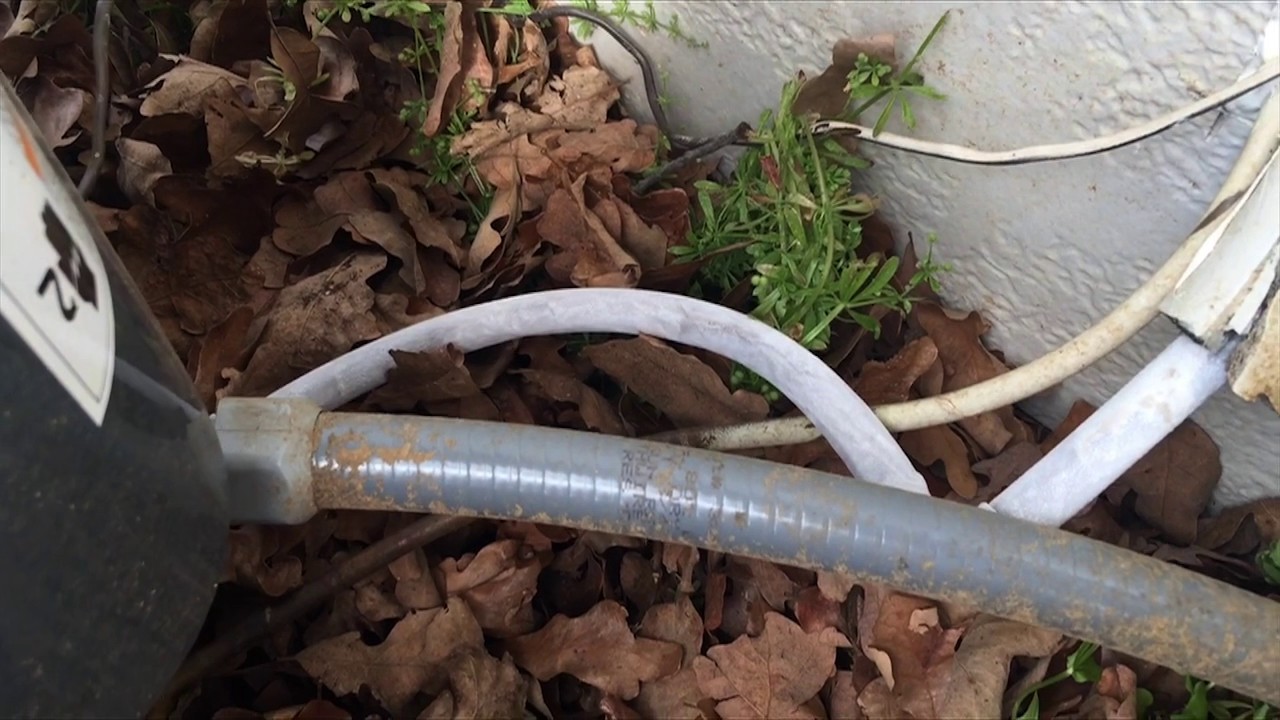
When your AC pipe is frozen, the unit will not be able to efficiently perform its primary function of cooling your home. This can be a very terrible experience for someone that just came home on a hot summer evening. Frozen AC pipe is caused by a number of underlying problems including plugged air filter and low refrigerant charge. Whatever the cause of the problem, there are a few things you can do to get the unit working again. See below our tips on how to unfreeze your AC pipes:

Frozen AC Lines - What is the cause - YouTube

Check the Air Filter

This is probably the best thing to do first. Find your return vent, unscrew the cover, and check your air filter. If it is clogged, clean it or replace it with a new one. This is an easy procedure you can perform on your own.

Thaw Your AC Unit

It is simple to thaw your AC unit: this will get the pipes and other parts ready to work properly again. To achieve this, there are two simple things you can do. You should start by switching your thermostat to ‘OFF’. The defrosting process will start immediately.

Next, you have to make sure that your condensate pan is draining properly to eliminate the risk of water damage. You can throw in a few condensate pan cleaning tablets to make your home smell nice afterward. Give your AC unit a few hours to fully defrost and it will be ready for use again.

Start Your AC Again

Is It Cheaper to Leave My Air Conditioner on All Day? | Sansone Air  Conditioning

When you are sure that your AC pipe has been fully defrosted, you can start it up again. All you need to do is switch the thermostat back to COOL and observe the unit cool your home.

It is important to note that while the steps above can unfreeze your frozen AC pipe, it doesn’t solve the problem completely. It is reasonable to contact an HVAC professional, especially if your AC pipe freezes often.

You can always call on our expert team at our service. Whether your AC pipe freezes once in a while or frequently, we will provide a lasting fix to the underlying problem. We guarantee you excellent AC service and AC repair that give 100% customer satisfaction.

Read More

Preventing Drain and Pipe Problems with Camera Inspection

Clogs and leaks can be a common plumbing problem, even for the most well-maintained of homes. While most issues may be solved with a plunger or drain cleaning, other problems may be difficult to detect until it’s too late. Sometimes you’ll need to call in for professional help, but the good news is that a plumber has the right tools to not only repair the problem but thoroughly inspect your plumbing.

How a Camera Inspection Keeps Your Plumbing Clean, Clear and Functional

A camera inspection works with a plumber attaching a waterproof camera to a sewer cable that is pushed into your plumbing. While the camera travels through your plumbing, the plumber can look inside your pipes to detect any potential problems. Your plumbing is complicated, and early detection is crucial to preventing most plumbing catastrophes. Nobody wants to deal with a busted pipe or backed-up sewage, and luckily with a camera inspection, you don’t have to. Here’s how a camera inspection can help you.

  • It’s accurate. The best perk of a camera inspection is how precise it is. Since a plumber can now visually inspect your plumbing, they can spot exactly what and where the problem is. It’s a quick way to accurately diagnose the problem without the money-wasting trial and error.
  • It can prevent future problems. A camera inspection can catch much more than a stubborn clog or leak. Plumbers can catch other issues such as cracks in the piping, pests, and other damages.
  • It involves less labor. Plumbers used to have to dig to get at the sewer line or cut into the walls to access your pipes. Most sewer inspection cameras are fit to travel through large pipes or the smallest of drains.

When Your Plumbing Needs a Camera Inspection

Your plumbing can be complicated. Some issues happen on the surface, but everything is connected to your main sewer line, and the deeper clogs or leaks will need professional help. The trick is to know when you’ll need to call in a plumber. The good news is that there are plenty of warning signs to watch out for, including the following.

  • Slow drains. If you’re having trouble with a sink, the issue may be a clog in your home’s plumbing. If it seems that several water fixtures won’t drain properly, then you most likely have a clog somewhere in your sewer line. A thorough drain cleaning with hot water and a mild detergent, or vinegar and baking soda may work, but if flushing each drain does nothing, then it’s time to call a plumber.
  • Pests. Rats and bugs are never a good thing, but if your home is visited by these unwelcome pests, they may be coming from a crack somewhere in the sewer line. Cockroaches and rats can squeeze through even the smallest of gaps. If you suspect there’s a crack somewhere, it’s crucial to seal it immediately.
  • Higher water bills. If it seems like your utility bills are higher than usual, the culprit could be a hidden leak. Because leaks can be small, a camera inspection will be able to accurately and quickly detect the source of the leak.
  • Sewage backup. Sewage should go down your pipes, but if it winds up going the opposite direction, you’ll want to call a plumber immediately. If the sewage only backs up out of one drain, then it’s most likely isolated to that drain. If it seems like sewage backs up every time you flush a toilet or use a sink, then the problem may be much deeper in your sewer line.
  • Foul odors. You shouldn’t smell sewage in or around your home. If you do, there’s probably a crack somewhere in the sewer line.  A camera inspection will be quick to find where foul odors are coming from.
  • Mold. If you smell something foul and musty, call a plumber immediately. Not only is mold toxic to your health, it needs excessive moisture to grow. If there’s mold growing in your home, there’s usually a leak that’s causing it.
  • Greener, lusher grass. While your lawn may be looking good, it may be due to a leak in your sewer line or septic tank. Vegetation thrives off of raw sewage. Watch for pools of septic water that can form in your yard from a leaking sewer line.

Be Proactive with Your Plumbing

Keeping your plumbing clean, clear, and functional can be a challenge, but a camera inspection can help make it easier. Detecting problems early ensure your plumbing stays well-maintained and spares you the cost and trouble of much worse plumbing problems. Don’t wait until your pipes burst, call a plumber today and schedule a camera inspection.

Read More

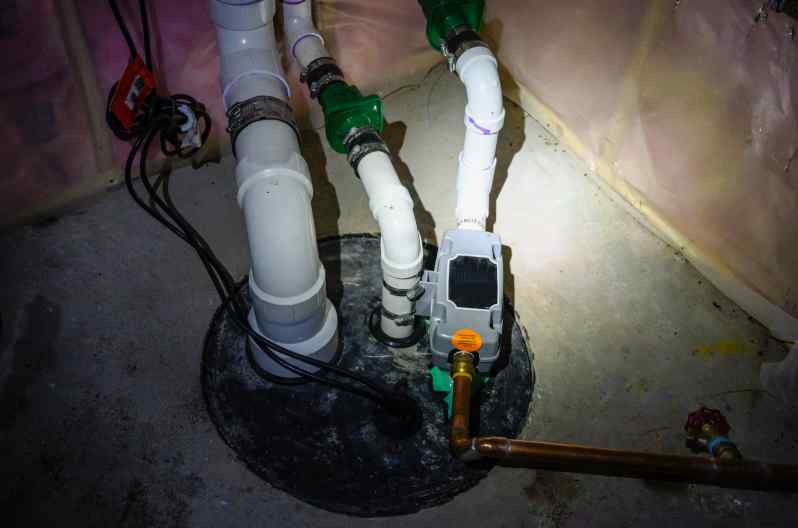
Sump Pump Maintenance Tips: How to Clean a Sump Pump

Sump Pump Maintenance Tips - How to Clean a Sump Pump

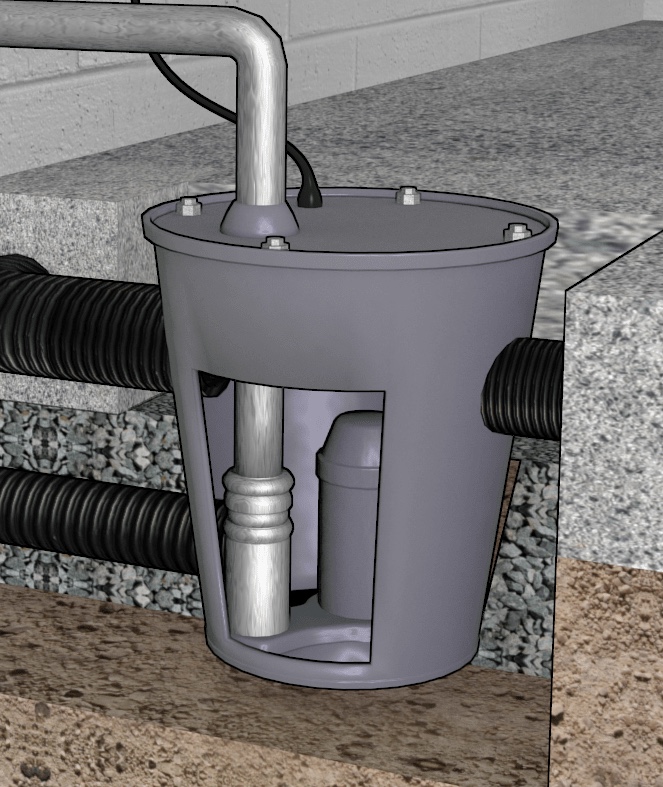
Sump pumps are a great way to prevent your crawl space or basement from flooding. Unfortunately, sump pumps will get dirty and can even clog over time. If the pump can’t remove water from the basin, it will eventually overflow. From monthly sump pump maintenance tips to how to clean a sump pump, we cover what you need to know to prevent water damage in your basement or crawl space.

How to Clean a Sump Pump?

Performing regular maintenance and cleaning your sump pump takes less than an afternoon and will ensure that your basement stays dry throughout the year. If you have a backup sump pump, you should clean and test it as well.

1. Unplug and Disconnect Your Sump Pump

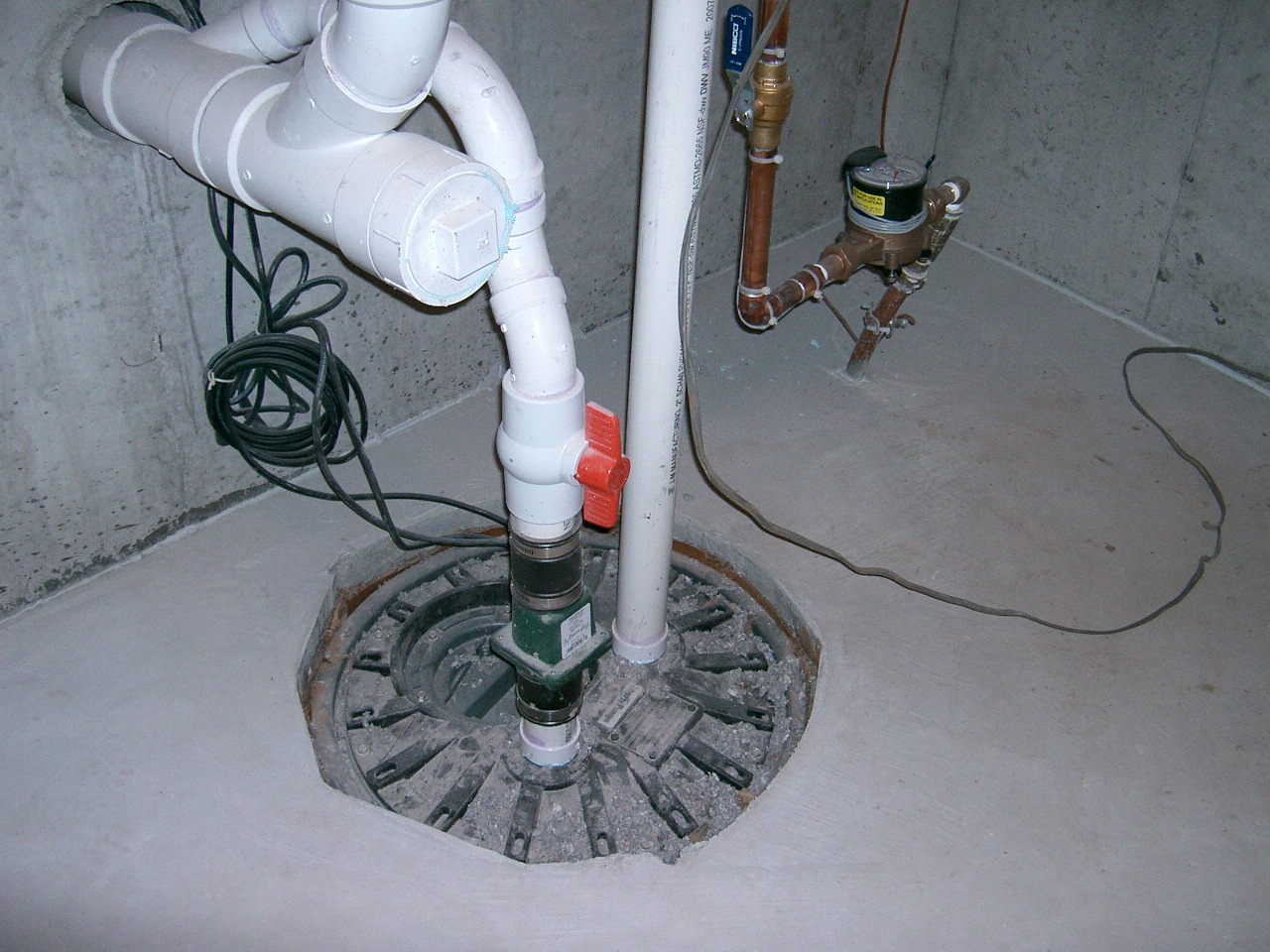
Start cleaning your sump pump by unplugging and disconnecting it from the discharge pipe. Most pumps are connected to the discharge pipe with a rubber sleeve. Use a screwdriver to loosen the sleeve, the pull it off the pipe.

2. Remove the Pump from the Basin

Once it is unplugged and disconnected, remove the pump from the basin. Hold it over the basin for a moment so it can drain. If you’re worried about making a mess, but the pump into a bucket so it doesn’t drip on the floor.

3. Clean the Pump

Use a rag to clean the outside of the pump. If necessary, scrape away grime with a scrub brush. Alternatively, you can take it outside and rinse it off with your garden hose.

4. Drain the Sump Basin

Use a bucket or a wet-dry vacuum to empty the sump basin. Also remove any dirt, stones or gravel at the bottom of the well. They can clog the pump and increase the risk it will fail when you need it most.

5. Remove and Clean the Grate

If your sump pump sits on a grate, remove and clean it as well. Either wipe it down with a rag or spray it with your garden hose.

6. Clean your Sump Pump Basin

Clean the sump basin walls with a rag to remove dirt and grime. While it doesn’t need to be spotless, make sure the drain holes are clear. Cleaning your sump pump basin will also help remove smells as well.

7. Put the Sump Pump Back

Now that it’s clean, you can replace the pump. If you have a grate, put it back as well. Make sure the pump is level and in the correct position to work properly. The float arm should move freely and not touch the basin walls.

8. Reconnect the Discharge Pipe

Reconnect the pump to the discharge pipe and make sure the sleeve is properly tightened. While you should avoid over-tightening the clap, make sure that it won’t leak when the pump runs.

9. Plug-In and Test the Pump

Plug the pump back in, then fill the basin with water until the pump switches on. Watch the pump run to see if there is a problem.

How Often Should You Clean Your Sump Pump?

How To Clean A Sump Pump | ACE Tips & Advice

You should clean your sump pump every three to six months depending on how often it runs. We recommend cleaning it in late winter or early spring as well as in late summer or early fall.

If your sump pump runs a lot during the spring, consider cleaning it again in early or middle summer. You may need to clean it in winter as well if there are frequent thaws and snowmelt.

In addition to sump pumping cleaning, you should also do regular maintenance as well. Test your pump every four to six weeks by pouring in a bucket of water to make sure it runs properly. This will help prevent sump pump failures.

What Type of Sump Pump Cleaner Should I Use?

The best sump pump cleaner is regular household white vinegar. Not only is it inexpensive, but it will remove dirt and prevent smells. Mix together equal parts of water and vinegar, then use a rag to wipe down your sump pump. Use a scrub brush to remove stubborn dirt or grime.

If you see mold or your sump pump has a strong smell, you can use bleach instead of vinegar. Mix a quarter cup of bleach in a gallon of water and clean the sump pump and the basin with a rag. Once you put the sump pump back together, add another quarter cup of bleach to the basin to control odors.

Monthly Sump Pump Maintenance Tips

In addition to your yearly sump pump maintenance, you should also perform monthly check-ups to ensure it works when you need it most. Always unplug the pump before making adjustments to the pump to prevent injury.

  • Normal vibrations can cause the pump to shift and may prevent the float arm from working properly. Make sure it is in the proper position in the sump basin.
  • Check that the pump runs properly. Pour in a bucket of water until it runs. While you can pull the float up instead, running it too long can damage the pump.
  • Look at the power cord for frayed wires and cracked or worn sheathing. Replace the power cord if it is damaged.
  • If you have a ground fault circuit interrupter (GFCI) outlet, trip and reset it to ensure it works properly.
  • Pour in one cup of vinegar or one-quarter cup of bleach to remove smells and kill bacteria.
  • If you have a backup, test it as well to make sure that it works properly.

Frequently Asked Questions About Sump Pump Maintenance and Cleaning

Here are some of the most asked questions about cleaning and maintaining a sump pump.

Do sump pumps need maintenance?

Yes, sump pumps do need maintenance. You should test your sump pump every four to six weeks and clean it every three to six months.

How often should you clean your sump pump?

You should clean your sump pump every three to six months depending on how often it runs. If it only runs occasionally, cleaning it twice a year is fine. If your pump runs more often, you should clean it more often.

Can I pour bleach in my sump pump?

Yes, it is safe to pour bleach into your sump pump. This used to be a concern with old cast iron pump models, but bleach will not damage newer pumps.

How much does it cost to clean a sump pump?

Sump pumps should have tight fitting cover | Building America Solution  Center

If you clean it yourself, it only costs a few dollars to clean a sump pump. It’s easy and only takes a few hours. If you hire someone to clean your sump pump, they will usually charge anywhere from $65 to $130.

Read More

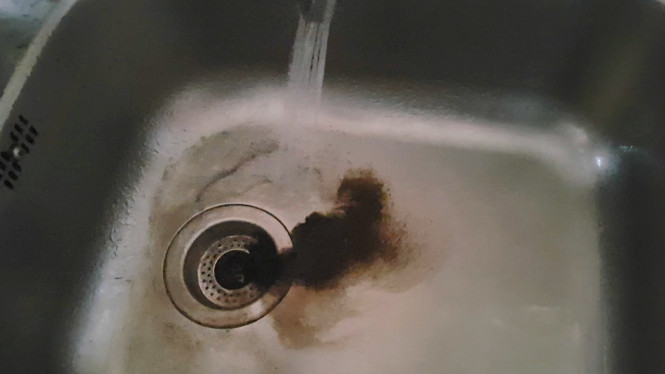
Can You Put Coffee Grounds Down the Sink?

Can You Put Coffee Grounds Down the Sink?

Ever heard that putting coffee grounds down the sink can clean or freshen the scent in the drain? Don’t fall prey to the myth! You should never use a garburator like a garbage can. Take it from the experts at Mr. Rooter® Plumbing: resist the urge to put coffee grounds down the drain unless you want to have some serious clogs on your hands. 

Let’s take a closer look at why this is a problem and what you can do if you’ve already committed the sin and are facing a clog in your kitchen sink drains.

Why You Shouldn’t Put Coffee Grounds Down the Sink

Here's Why You Should Never Put Coffee Grounds Down The Drain

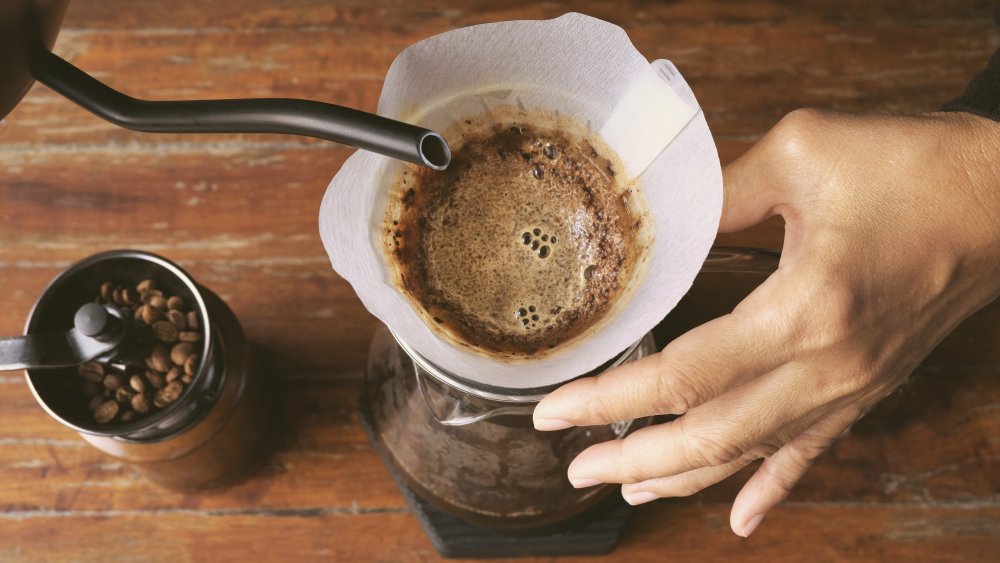
If food can go down the garburator, why isn’t the same true for coffee grounds? Unlike most foods, coffee grounds clump together in water rather than breaking down. With time, the grounds can build up inside your sink drains, creating clogs that can prohibit the drains from doing their job. Coffee grounds should always go in the garbage can or compost. They also serve as a nice fertilizer for your garden if you have a green thumb.

Other items that should go in the garbage rather than the garburator include:

  • Grease, oil and fats
  • Starchy foods like pasta, rice, potatoes or potato peels
  • Fibrous items like eggshells, banana peels, fish skins and celery
  • Anything that is not food, like cigarette butts, metal, wood, glass and sponges

Like coffee grounds, these items can clog your drains or jam the garburator. When it doubt about where to put kitchen waste, always choose the garbage can or compost.

What to Do If You Put the Wrong Stuff Down the Drain

If the deed has been done, and you need garburator repair, help with drain clogs, or other kitchen plumbing repairs, it’s important to get service from experienced plumbing professionals. Signs you need help with a clogged drain or malfunctioning garburator include:

  • Water backing up out of the sink drain
  • Slow draining water in the sink
  • A gurgling noise coming from the sink
  • Odour of rotting food coming up from the kitchen drain
  • Food particles visible in the sink after you run the dishwasher
Can Coffee Grounds Go Down Your Sink or Drain Safely? | The Woke Lark

If you notice any of these problems with your kitchen sink, it’s time to call on the licensed, expert technicians to evaluate your kitchen plumbing and garburator. They have the professional tools and expertise to identify the source of your problem and provide the efficient repairs you need to get your kitchen sink and garburator performing optimally once again.

Get an estimate for plumbing services online now or call us for more information.

Read More